

Ladders
How to Inspect a Fixed Ladder Before Use
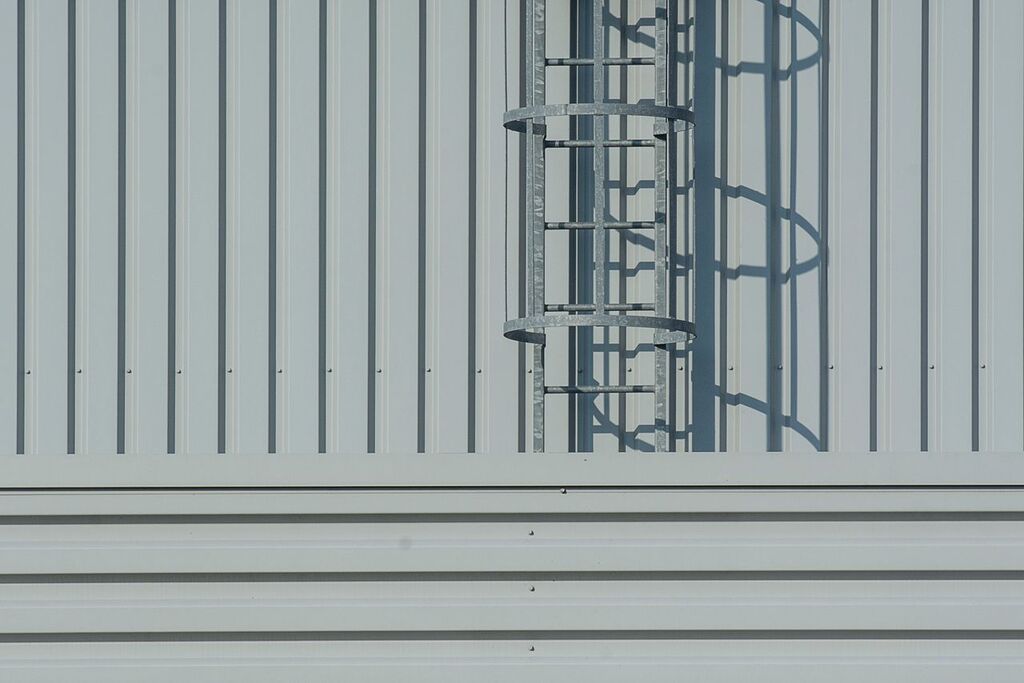
Jun
Fixed ladders provide access to rooftops, silos, towers, tanks, plant rooms, telecommunications equipment, and industrial structures across the UK. While they are designed to provide safe access, they can quickly become dangerous if damaged, poorly maintained, or used incorrectly.
Before every climb, users should carry out a pre-use inspection to ensure the ladder and associated safety systems are fit for purpose. A few minutes spent checking a fixed ladder could prevent a serious accident, injury, or fall from height.
Why fixed ladder inspections matter
Falls from height remain one of the leading causes of workplace fatalities and serious injuries. Many incidents occur not because the ladder itself fails completely, but because damage goes unnoticed, safety systems aren’t functioning correctly, environmental conditions are overlooked, and workers assume the ladder is safe without checking it. A simple inspection helps identify problems before they become hazards.
Step 1. Assess the surrounding area
Before even approaching the ladder, inspect the area around it. Look for obstructions at the base of the ladder, standing water or slippery surfaces, oil or chemical contamination, vehicle movements nearby, poor lighting and damaged barriers or access controls. If the area is unsafe, the ladder itself may not be safe to use.
Step 2. Check the ladder structure
Carry out a visual inspection of the entire ladder structure where possible. Look for signs of corrosion such as rusted components, pitting or metal degradation and corroded fixings. Also look for physical damage such as bent stiles, damaged rungs, or cracks in welds. Check for loose components such as missing bolts, loose fixings and movement in the ladder structure. Any structural defect should be reported immediately and the ladder removed from service if necessary.
Step 3. Inspect ladder rungs
The rungs are your primary contact point during a climb. Check for missing rungs, excessive wear, bent or distorted sections, slippery contamination and damaged anti-slip surfaces. Every rung should provide secure footing throughout the climb.
Step 4. Check ladder fixings and anchor points
The ladder should be securely attached to the structure. Inspect wall brackets, mounting points, support frames and anchor bolts. Signs of movement or instability may indicate a serious safety issue. If the ladder appears loose or unstable in any way, do not use it.
Step 5. Inspect fall protection systems
Many fixed ladders incorporate fall protection systems such as vertical lifeline systems, guided fall arrest rails, ladder safety systems, anchor points and harness attachment points. Check for damage to rails or cables, loose components, corrosion, missing parts or obvious signs of wear. If using a personal fall arrest system, ensure compatibility between your equipment and the installed system.
Step 6. Check platforms and rest areas
Where ladders include intermediate rest platforms, inspect them for damaged flooring, loose handrails, corrosion, trip hazards and accumulated debris. Platforms should provide safe resting points during longer climbs.
Step 7. Consider environmental conditions
Even a perfectly maintained ladder can become hazardous in poor weather. Before climbing consider wind, rain, ice, snow and heat. Strong winds can affect balance and stability. Wet rungs significantly increase slip risks. Frozen surfaces can make climbing extremely dangerous. High temperatures may affect workers physically and increase fatigue. Always follow site-specific procedures regarding weather conditions.
Step 8. Inspect your own equipment
The ladder is only one part of the system. Before climbing, inspect your harness, lanyards, connectors, karabiners, helmet and footwear. Look for damage, excessive wear, missing labels and signs equipment has exceeded its inspection period. Personal protective equipment should always be inspected before use.
Step 9. Confirm emergency arrangements
Before starting work, ask yourself: Is there a rescue plan? Do I know what happens if a fall occurs? Who do I contact in an emergency? Is rescue equipment available? Many workers focus on climbing safely but forget that rescue planning is equally important. A fall arrest system stops a fall but it does not complete the rescue.
Common defects that should stop work immediately
Never use a fixed ladder if you identify structural cracks, significant corrosion, missing or damaged rungs, loose anchor points, damaged fall arrest systems, unstable mounting brackets, obstructions preventing safe access and defective PPE or harness equipment. If in doubt, report the issue and seek competent advice before proceeding.
Why training is essential
Knowing how to inspect a ladder properly requires more than common sense. Fixed ladder training helps workers understand legal requirements, inspection procedures, fall protection systems, safe climbing techniques and emergency rescue planning. Ladder training ensures inspections are thorough, consistent, and effective.
Fixed Ladder Safety
A fixed ladder inspection should never be treated as a formality. Every climb depends on the condition of the ladder, the effectiveness of the fall protection system, and the competence of the person using it.
By carrying out a structured pre-use inspection every time, workers can identify defects early, prevent accidents, and ensure they remain safe while working at height. Because when it comes to fixed ladders, the safest climb is the one that starts with a proper inspection.