
Harness Safety
Why Safety Harness Training Is Essential for Preventing Workplace Accidents When Working at Height
Aug
Working at height is one of the most dangerous activities in any workplace, and it’s a major contributor to serious injuries and fatalities every year. Whether on a construction site, warehouse, or wind turbine, the risk of falling is ever-present.
That’s why safety harness training is not just a box-ticking exercise; it’s a critical safeguard for workers’ lives.
In this post, we’ll break down why safety harness training is essential and how it helps prevent accidents and protect your workforce.
The Risks of Working at Height
Falls from height are the leading cause of fatal injuries at work in the UK and many other countries. According to the Health and Safety Executive (HSE), the most common causes include:
- Poor edge protection or missing guardrails
- Incorrect use of ladders or scaffolding
- Failure or misuse of personal protective equipment (PPE), like harnesses
A safety harness is often the last line of defence between a worker and a catastrophic fall, but it’s only effective if people know how to use it properly.
What Does Safety Harness Training Cover?
Proper training goes beyond simply putting on a harness. Good training includes:
- Selecting the right harness for the job
- Inspecting equipment for wear, damage, or faults
- Correct fitting and adjustment to ensure it’s secure and comfortable
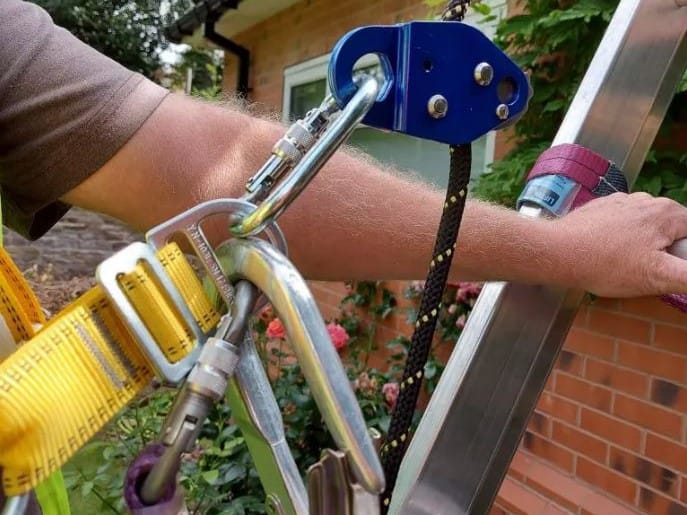
- Using lanyards, anchor points, and connectors safely
- Understanding fall arrest vs. work restraint systems
- Emergency procedures and rescue plans if something goes wrong
Without this knowledge, even the best equipment can fail to protect a worker.
What Happens Without Training?
When workers are not properly trained, they may:
- Use the wrong type of harness or lanyard
- Connect to unsafe or unsuitable anchor points
- Wear the harness incorrectly, increasing injury risk in a fall
- Skip pre-use checks, missing worn or damaged parts
- Lack knowledge of rescue plans, delaying critical help
In these situations, a harness can give a false sense of security and a preventable accident can turn deadly.
Benefits of Safety Harness Training
Investing in harness training brings clear benefits for both employers and workers:
- Reduced risk of falls and injuries – Training significantly lowers the chance of accidents.
- Legal compliance – UK regulations, including the Work at Height Regulations 2005, require employers to ensure workers are competent when working at height.
- Increased confidence and safety culture – Workers feel more confident and empowered when they know how to protect themselves and their colleagues.
- Improved equipment lifespan – Trained workers are more likely to inspect and maintain harnesses correctly, extending their safe use.
Legal Responsibilities for Employers
Employers have a duty of care to provide:
- Adequate risk assessments and fall protection systems
- Suitable and properly maintained harness equipment
- Training and supervision for anyone working at height
Failing to meet these obligations can result in prosecution, fines, or serious reputational damage, not to mention the human cost of injury or loss of life.
Safety Harness Training
A safety harness can’t save a life if it’s not used correctly. That’s why training is essential – it turns a piece of equipment into an effective fall prevention system. By investing in proper safety harness training, employers can protect their teams, stay compliant with the law, and foster a workplace culture where safety is always the top priority.