

Health & Safety
Asbestos Awareness: Types, Uses, Risks and Staying Safe
Apr
Asbestos remains one of the most serious workplace health risks in the UK. Not because it’s widely used today, but because it still exists in millions of buildings constructed before the year 2000.
For anyone working in construction, maintenance, refurbishment, or facilities management, asbestos awareness is essential. Understanding where it may be found, what it looks like, and how to avoid disturbing it can prevent life-threatening exposure. This guide covers the types of asbestos, where it was used, the risks involved, and how to stay safe.
What is asbestos?
Asbestos is a group of naturally occurring minerals made up of microscopic fibres that are strong, heat-resistant, chemically resistant, and durable.
Because of these properties, asbestos was widely used in building materials throughout the 20th century, particularly between the 1950s and 1980s.
Although banned in the UK in 1999, asbestos-containing materials (ACMs) are still present in many older buildings.
The three main types of asbestos
There are several forms of asbestos, but three types are most commonly encountered:
- Chrysotile (White asbestos) – This is the most commonly used type of asbestos. It’s found in roofs, ceilings, walls, floors, and cement products and is often present in textured coatings and vinyl tiles.
- Amosite (Brown asbestos) – Commonly used in insulating boards and thermal insulation. Found in ceiling tiles, pipe insulation, and partition walls.
- Crocidolite (Blue asbestos) – This is the most dangerous form of asbestos. It’s used in high-temperature insulation and spray coatings and is found in pipe lagging and some older insulation products.
All types of asbestos are dangerous. There is no safe form of exposure.
Where asbestos is commonly found
Asbestos was used in a wide range of building materials. Common locations include pipe lagging and insulation, asbestos insulating board (AIB), textured coatings (e.g. Artex), floor tiles and adhesives, roofing sheets and guttering, ceiling tiles, fireproof panels and doors, boiler and heating systems. You cannot reliably identify asbestos just by looking at it.
Why asbestos is dangerous
Asbestos becomes dangerous when materials are disturbed or damaged, releasing fibres into the air. When inhaled, these fibres can lodge in the lungs and cause serious diseases, including asbestosis (scarring of lung tissue), lung cancer, and mesothelioma (a rare and aggressive cancer). These illnesses often take 20-50 years to develop, meaning exposure today may not show symptoms until decades later.
Who is at risk?
Anyone working in or around buildings constructed before 2000 may be at risk, particularly builders and construction workers, electricians and plumbers, joiners and carpenters, maintenance and facilities teams, demolition workers, surveyors and inspectors. Even minor work such as drilling, cutting, or removing fixtures can disturb asbestos if it is present.
Staying safe: key principles
The most important rule when dealing with asbestos is simple: Do not disturb it.
- Know before you start work – Check for an asbestos survey or register to identify potential asbestos-containing materials (ACMs).
- Never assume a material is safe – If in doubt, treat it as asbestos until proven otherwise.
- Avoid disturbing materials – Do not drill, cut, sand, or break suspect materials.
- Follow site procedures – Work in line with risk assessments and method statements and use designated safe systems of work.
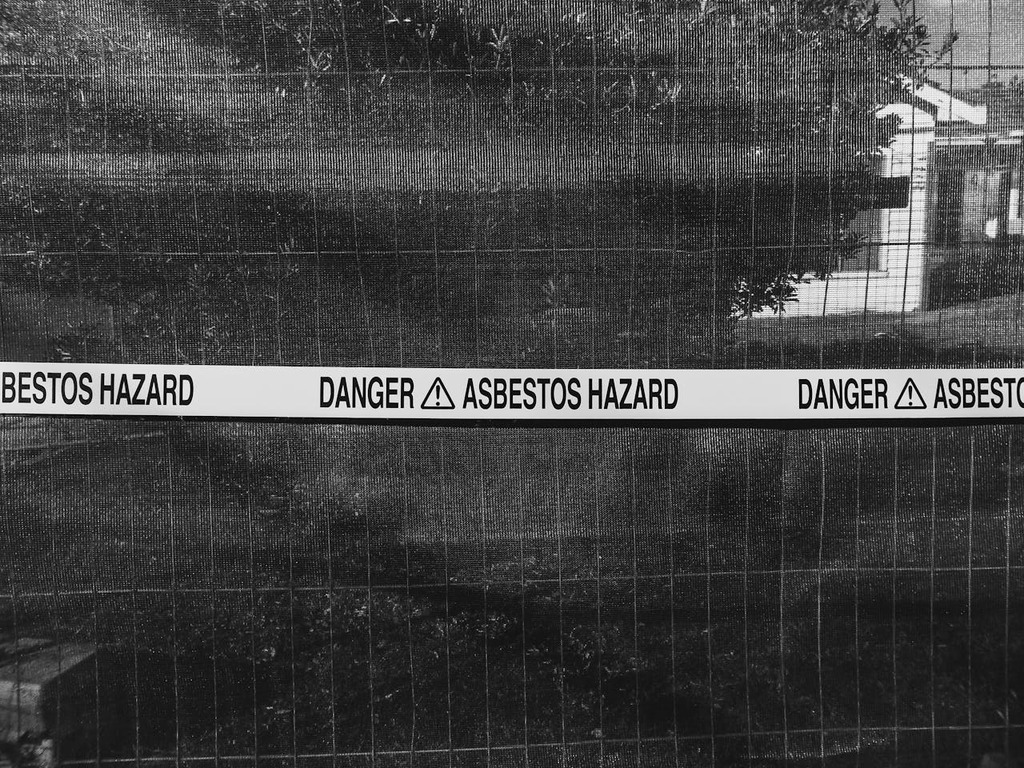
- Use appropriate controls – Use barriers, signage, and exclusion zones where necessary, as well as PPE and RPE where specified.
What to do if you suspect asbestos
If you encounter material that may contain asbestos, you should stop work immediately, make sure not to disturb the material further, keep others away from the area, report it to your supervisor or responsible person, and ensure the material is assessed by a competent professional. Never attempt to remove asbestos yourself unless you are trained and authorised to do so.
The role of training
Asbestos awareness training does not teach people to remove asbestos. It teaches them to recognise risks and avoid exposure.
Training helps workers:
- Understand where asbestos may be found
- Recognise high-risk materials
- Follow correct procedures
- Respond appropriately if asbestos is suspected
At Apple Group, our Asbestos Awareness Training equips workers with the knowledge they need to stay safe and compliant in real-world environments.
Asbestos Awareness – Staying Safe
Asbestos is often described as a hidden danger, and for good reason. It can’t be seen with the naked eye once fibres are airborne, and the health effects may not appear for decades. But with the right awareness, planning, and training, the risk can be effectively managed. Because when it comes to asbestos, what you don’t know can seriously harm you, but what you do know can keep you safe.