

Work at Height
What Is Height Rescue and Why Is It Critical for Workplace Safety?
24
Mar
Mar
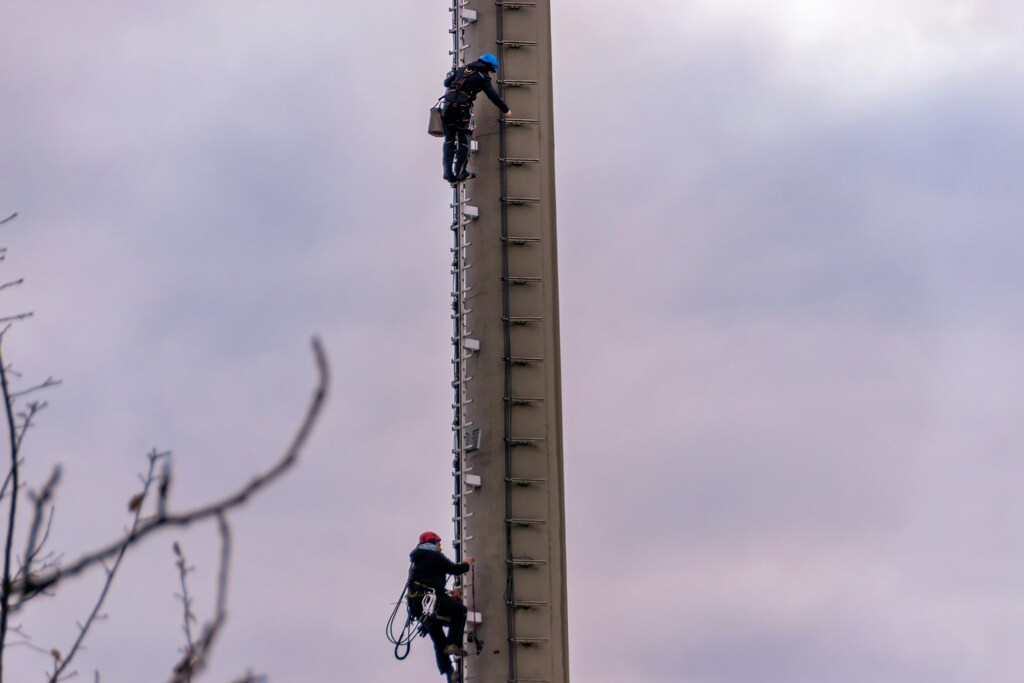
Working at height is one of the most hazardous activities in many industries, including construction, maintenance, telecommunications, and utilities. When work takes place on roofs, scaffolding, towers, ladders, or elevated platforms, the risk of a fall is always present.But preventing falls is only part of the safety picture. What happens if a fall does occur? That’s where height rescue and evacuation procedures become essential.Height rescue is a critical part of workplace safety planning, ensuring that workers who fall or become incapacitated at height can be recovered quickly and safely.
What is height rescue?
Height rescue refers to the planned procedures and techniques used to safely recover a worker who has fallen or become stranded while working at height.This might include situations where a worker:- Falls into a fall arrest system and is suspended in a harness
- Becomes injured or unconscious on an elevated structure
- Is trapped on scaffolding, platforms, or towers
- Cannot descend safely due to equipment failure or medical emergency
Why height rescue is critical
Working at height remains one of the leading causes of serious workplace injuries and fatalities. While fall protection systems reduce the likelihood of impact injuries, they do not eliminate risk entirely.Without an effective rescue plan, a worker suspended in a harness can face serious medical complications.Suspension trauma
When a person hangs motionless in a harness for too long, blood can pool in the legs, leading to suspension trauma (also known as orthostatic intolerance). This condition can quickly become life-threatening.Rapid rescue is therefore essential. In many cases, workers must be recovered within minutes, not hours.Legal responsibilities for employers
In the UK, employers have a legal duty to plan for emergencies when work is carried out at height.Under the Work at Height Regulations 2005, employers must ensure that work at height is properly planned, appropriately supervised, carried out by competent people, and supported by suitable emergency and rescue procedures.This means businesses must have a specific rescue plan in place before work begins, rather than relying on external emergency services.Emergency services may take too long to reach a casualty suspended at height, making an on-site rescue capability essential.What a height rescue plan should include
A proper rescue plan should outline exactly what to do if an incident occurs. Key elements typically include:- The type of work being carried out at height
- Potential fall hazards and emergency scenarios
- The rescue equipment available on site
- Who is responsible for carrying out the rescue
- How quickly a casualty can be recovered safely
- Procedures for first aid and medical support
The importance of training
Having rescue equipment on site is not enough. Workers must know how to use it properly and respond effectively in an emergency.Height rescue training provides workers with practical knowledge such as:- How fall arrest systems work
- How to assess a rescue situation
- Safe rope and harness techniques
- Controlled lowering and raising procedures
- Emergency response coordination