

Power Tools Safety Training
Power Tool Regulations & Compliance: Operating Power Tools in Accordance with UK Safety Standards
Dec
Power tools are essential in construction, engineering, maintenance, and countless other industries. They boost productivity, accuracy, and efficiency – but only when used safely and responsibly.
In the UK, employers and workers have legal obligations to ensure power tools are operated correctly, maintained properly, and used by competent individuals. Failure to comply can result in serious injuries, prosecution, and costly downtime.
This guide breaks down the key UK regulations governing power tool safety and explains how to stay compliant on every job.
Why Power Tool Compliance Matters
Power tools present a range of hazards such as rotating blades, electrical risks, flying debris, noise, vibration, and manual handling strain. Without appropriate controls, even a small oversight can lead to serious accidents.
Compliance isn’t just about avoiding enforcement action, it’s about protecting your team, reducing incidents, and ensuring your business operates efficiently and responsibly.
The Key UK Regulations Covering Power Tool Safety
Several pieces of legislation outline your responsibilities when it comes to power tools. The most important are:
Health & Safety at Work etc. Act 1974 (HSWA)
This is the foundation of UK health and safety law. It requires employers to provide a safe workplace, maintain safe systems of work, ensure employees are competent and properly trained, and provide necessary information, instruction, and supervision. In short, Health & Safety at Work Act 1974 (HSWA) makes employers responsible for protecting workers from harm, including when using power tools.
Provision and Use of Work Equipment Regulations 1998 (PUWER)
This is the most directly relevant legislation for power tools. Provision and Use of Work Equipment Regulations 1998 (PUWER) requires that tools must be suitable for their intended use, that regular inspections must be carried out, and that equipment must be properly maintained and in safe working order.
It also requires that only trained and competent workers should use the tools and that adequate safety measures must be in place (guards, emergency stops, warning signs, PPE). If power tools are used in your workplace, PUWER compliance is mandatory.
Electricity at Work Regulations 1989
The Electricity at Work Regulations 1989 regulations apply to all electrically powered tools. Employers must ensure that tools are correctly earthed, that no damaged equipment is used, and that plugs, cables, and sockets are safe. They must also ensure that RCD protection is installed where appropriate and that portable appliance testing (PAT) is carried out at suitable intervals. This law helps prevent shocks, fires, and electrical failures.
Control of Noise at Work Regulations 2005
Many power tools produce noise levels above safe exposure limits. In compliance with The Control of Noise at Work Regulations 2005, employers must conduct noise risk assessments, provide hearing protection where required, implement noise reduction measures, and monitor exposure, particularly for long-duration tasks.
Control of Vibration at Work Regulations 2005
Tools such as breakers, grinders, and sanders can cause hand-arm vibration syndrome (HAVS) if exposure is not monitored. The Control of Vibration at Work Regulations 2005 regulations require vibration risk assessments, monitoring of daily exposure (A(8) values), providing low-vibration alternatives, limiting exposure time, and implementing health surveillance for at-risk workers.
What Does Compliance Look Like On-Site?
Meeting UK standards means more than having the right paperwork, it requires a safe, controlled, and proactive approach to tool use.
Here’s what good compliance looks like:
Pre-use checks
Every operator should check tools for damaged cables, missing guards, loose components, faulty switches or triggers, excessive vibration or unusual noises. Tools with defects must be removed from service immediately.
Safe operation procedures
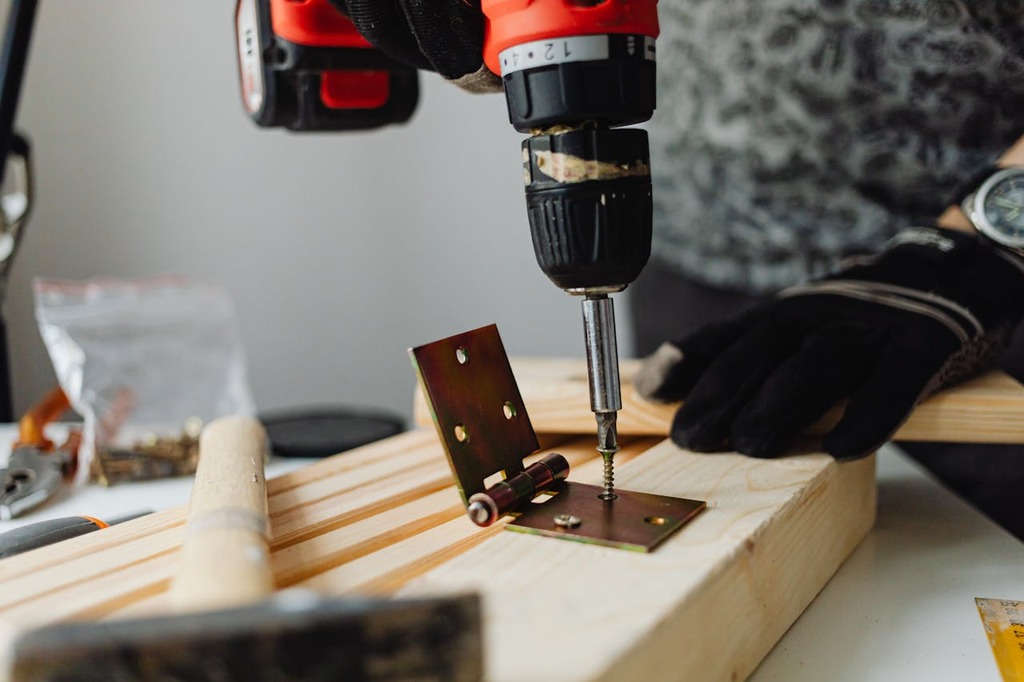
Operators should be trained to use the correct tool for the job, maintain stable footing and posture, avoid awkward positions or overreach, secure workpieces properly, and use two-handed operation where required.
PPE requirements
Depending on the tool, PPE may include eye protection, hearing protection, gloves, respiratory protection, and steel-toe boots. Failure to provide PPE is a breach of the PPE at Work Regulations (2022).
Maintenance and record keeping
PUWER requires documented inspections and maintenance records. Businesses should keep logs of PAT tests, routine inspections, repairs carried out, and fault reporting processes. Regular maintenance extends tool life and prevents dangerous breakdowns.
The Role of Training in Compliance
Even the safest power tool becomes dangerous in the wrong hands. Training is essential to ensure workers understand tool-specific hazards, perform proper pre-use checks, use the tool safely and confidently, know emergency procedures, and comply with company policies and UK law.
Apple Group’s Power Tool Safety & Awareness training covers all of the above, combining theory with hands-on demonstrations that build competence and compliance.
Building a Compliant, Safety-Driven Culture
Regulations are only effective when they’re embedded into everyday work. A strong safety culture includes toolbox talks focused on tool-specific hazards, regular refresher training, health surveillance where required, open reporting of near-misses, and clear responsibilities for supervisors and operators. Creating a culture where safety is valued makes compliance second nature.
Stay Compliant with Apple Group
Operating power tools safely isn’t just about preventing injuries, it’s about building trust, professionalism, and a safe working environment. By understanding UK regulations and committing to compliance, you protect your team, your business, and your reputation.
If you need support with training or compliance, Apple Group is here to help. We help businesses across the UK meet their obligations through expert-led training, awareness courses, and practical guidance.