
Top 10 Most Common PPE Failures Found During Inspections
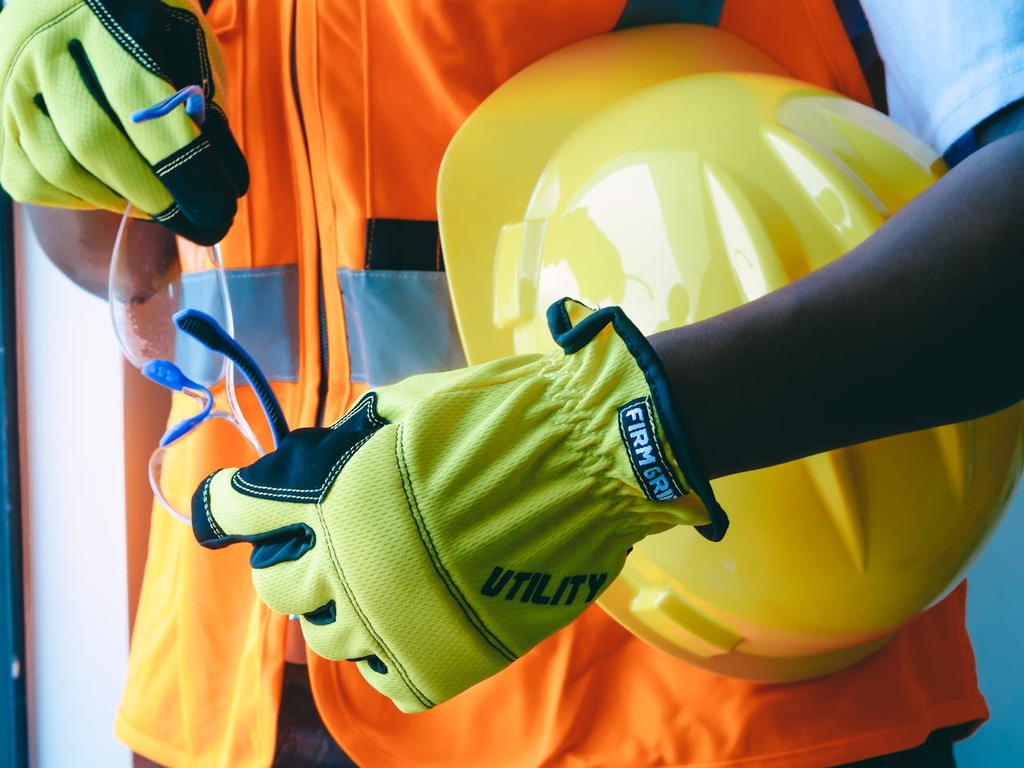
Personal Protective Equipment (PPE) is designed to protect workers from harm, but only if it’s in good condition and suitable for the task. During workplace inspections, the same issues appear again and again, often unnoticed by those wearing the equipment every day.Below are the top 10 most common PPE failures found during inspections, why they’re dangerous, and what you should be looking out for. 
  1. Cracked or damaged safety helmets

When inspecting safety helmets, it’s common to find hairline cracks, brittle or sun-damaged plastic, and helmets kept beyond their recommended service life.A damaged helmet may fail completely on impact, offering little to no head protection, so to maintain safety, inspect your helmet for shell integrity, date of manufacture, and signs of UV damage. 
  1. Scratched or fogged eye protection

What’s often found during PPE inspections are heavily scratched lenses, clouded or permanently fogged glasses, and the incorrect type of eye protection for the task.Poor visibility increases the risk of secondary accidents, while damaged lenses may shatter on impact. Ensure lenses are clear, undamaged, and appropriate for the hazard (impact, chemical splash, dust). 
  1. Worn or unsuitable gloves

When inspecting gloves, look out for holes, thinning material, or split seams, gloves being reused beyond their lifespan, and the wrong glove type for the hazard.Compromised gloves offer little protection against cuts, chemicals, heat, or abrasion, so check palm wear, finger integrity, and confirm gloves are task-specific. 
  1. Faded or ineffective high-visibility clothing

When inspecting high-visibility clothing, you may find reflective strips that are no longer reflective, fabric faded from repeated washing or sunlight, and torn or ill-fitting garments.Reduced visibility significantly increases the risk of vehicle or plant-related incidents, so make sure to assess reflectivity in low light and ensure garments meet required visibility standards. 
  1. Respiratory protective equipment (RPE) in poor condition

What’s often found during RPE inspections are perished or loose straps, dirty, damaged, or expired filters, or poor face seal due to wear or incorrect size.RPE that doesn’t seal correctly provides little protection against harmful dusts, fumes, or vapours, so you need to check straps, valves, seals, and filter expiry dates. 
  1. Safety footwear with worn soles or damaged uppers

In footwear inspections, you may find smooth or unevenly worn soles, split uppers or damaged toe caps, and loss of slip resistance.Worn boots increase the risk of slips, trips, foot injuries and crush incidents, so be sure to inspect tread depth, toe protection, ankle support, and overall structure. 
  1. Damaged hearing protection

Common failures found in PPE inspections include cracked ear defenders, compressed or hardened ear cushions, and dirty or reused disposable ear plugs.Compromised hearing protection allows harmful noise exposure, leading to permanent hearing loss. To maintain hearing safety, make sure to check seal quality, cushion condition, and hygiene. 
  1. PPE past its expiry or service life

PPE inspections often find helmets, harnesses, or filters used beyond manufacturer limits, with no records showing issue dates.Materials degrade over time, even if PPE appears visually acceptable, so always check dates, batch numbers, and inspection records. 
  1. Incorrect PPE for the task

PPE inspections find incorrect PPE for the task, including general-purpose PPE used for specialist hazards, a one-size-fits-all approach, and PPE selected for convenience, not protection.The wrong PPE can provide a false sense of security and leave workers exposed, make sure to confirm that the PPE selection matches the specific risk assessment. 
  1. Poor storage and contamination

PPE inspections often uncover PPE stored on floors, in vehicles, or exposed to sunlight, with contaminated gloves, masks, or clothing, and PPE mixed with chemicals or tools.Poor storage accelerates deterioration and increases hygiene risks, so ensure all PPE is stored clean, dry, and protected when not in use. 

Why these failures keep happening

Most PPE failures are not due to negligence. They happen because PPE inspections aren’t clearly assigned, staff aren’t trained to recognise defects, equipment is viewed as disposable rather than protective, and records are missing or incomplete. Regular inspections carried out by trained personnel are the only reliable way to break this cycle. 

Training turns inspection into prevention

Knowing what to look for and when to remove PPE from service is a skill. Apple Group’s PPE Inspection Training equips designated staff with the knowledge and confidence to identify failures early, record findings correctly, and take appropriate action. This results in fewer incidents, better compliance, greater worker confidence, and stronger safety culture. 

Maintain PPE Safety

PPE doesn’t usually fail all at once – it degrades slowly, quietly, and often invisibly. The most common failures are also the most preventable.By recognising these top 10 issues and committing to regular, competent PPE inspections, you protect workers before equipment is relied upon in a dangerous situation. Because PPE only protects when it’s inspected, maintained, and trusted.