
Top 10 Workplace Hazards Across All Industries
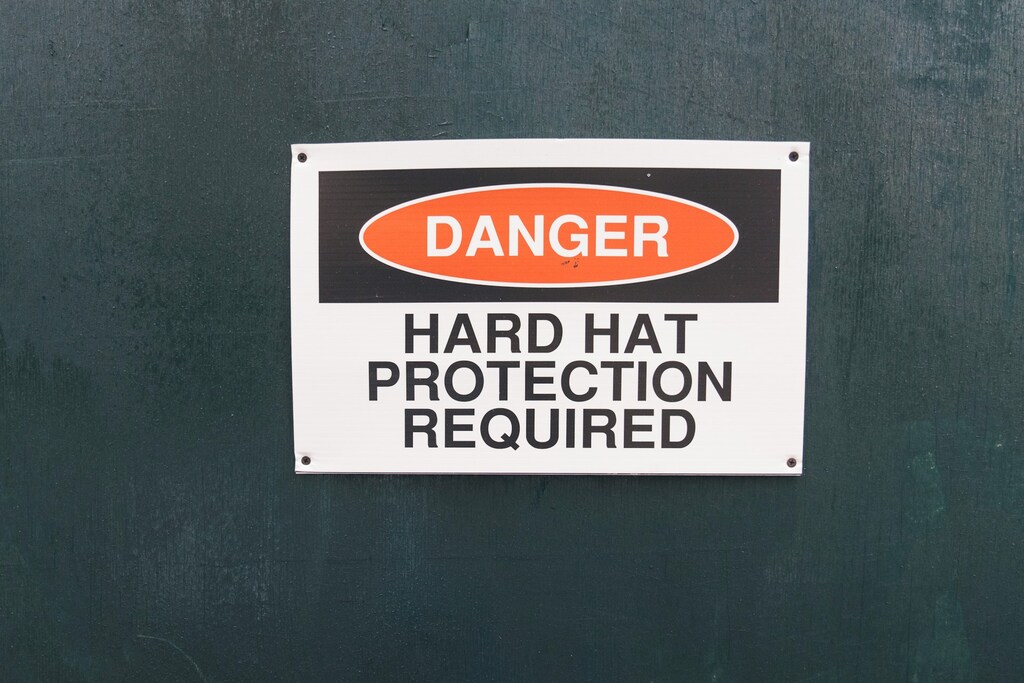
No matter the industry – construction, manufacturing, warehousing, healthcare, retail, or even offices – workplace hazards exist everywhere. While the environment may change, many of the risks remain surprisingly consistent across sectors.Understanding these common hazards is the first step toward preventing accidents, reducing injuries, and staying compliant with UK health and safety law. Below are the top 10 workplace hazards found across all industries, along with practical insight into why they matter. 
  1. Slips, Trips and Falls

Slips, trips and falls can occur everywhere, including sites, offices, warehouses, kitchens, and car parks. They are commonly caused by wet or uneven floors, trailing cables and hoses, poor housekeeping, or inadequate lighting.Slips and trips are one of the leading causes of workplace injuries in the UK, often resulting in sprains, fractures, and long-term absence. The best ways to prevent and control slips and trips are through ensuring proper flooring, cable management, spill control, and suitable footwear. 
  1. Manual Handling Injuries

Manual handling injuries often occur in construction, logistics, healthcare, manufacturing, retail, and offices. Common causes include lifting heavy or awkward loads, poor technique, repetitive movements, or lack of mechanical aids.Manual handling is a major cause of musculoskeletal disorders (MSDs) affecting backs, shoulders, and joints. To prevent these types of injuries, make sure to carry out manual handling risk assessments, undergo proper training, and use mechanical aids. 
  1. Unsafe Use of Machinery and Equipment

Unsafe use of machinery and equipment typically occurs in factories, workshops, construction sites, and warehouses. They are commonly caused by missing or bypassed guards, poor maintenance, incorrect use, and inadequate training.Machinery accidents often result in serious or life-changing injuries, including amputations. To ensure safe use of machinery and prevent injury, make sure to maintain PUWER compliance, carry out regular inspections, and undergo regular operator training. 
  1. Electrical Hazards

Electrical hazards can occur in all industries using electrical equipment, which is nearly all of them. Common causes include damaged cables or plugs, overloaded sockets, poor temporary electrics, and use in wet conditions.Electrical faults can lead to shocks, burns, fires, and fatalities. To ensure safety and prevent injury, make sure to carry out routine inspections, PAT testing, always use RCD protection, and employ safe systems of work. 
  1. Working at Height

Working at height hazards occur in a range of industries including construction, maintenance, warehousing, and facilities management. Common causes include unsafe ladders, poor access equipment, overreaching, and inadequate edge protection.Falls from height remain a leading cause of fatal workplace accidents in the UK, so make sure to avoid working at height where possible, use suitable access equipment, and always take part in training and supervision. 
  1. Exposure to Hazardous Substances

Exposure to hazardous substances often occurs in manufacturing, construction, cleaning, healthcare, and laboratories. Common causes can include dust (silica, wood dust), fumes and vapours, chemicals and cleaning agents, and poor ventilation.Exposure can cause respiratory illness, skin conditions, and long-term disease, so it’s essential to maintain control measures such as COSHH assessments, substitution, ventilation, PPE, and training. 
  1. Noise and Vibration

Noise and vibration hazards often occur in the construction, manufacturing, engineering, and landscaping industries. These hazards are commonly caused by power tools, machinery, and prolonged exposure without breaks.Noise can cause permanent hearing loss, while vibration can lead to HAVS, hence it’s important to ensure control measures such as risk assessments, exposure monitoring, low-vibration tools, PPE, and health surveillance. 
  1. Poor Ergonomics and Workstation Setup

Poor ergonomics occur mostly in workspaces such as offices, call centres, manufacturing lines, and packing areas. Common causes include poor seating or desk setup, repetitive tasks, awkward postures, and lack of breaks.Poor ergonomics leads to chronic pain, fatigue, and reduced productivity. To reduce this hazard and ensure safety in the workplace, it’s important to employ control measures such as ergonomic assessments, adjustable equipment, task rotation, and DSE training. 
  1. Fire Hazards

Fire hazards can occur in all workplaces and are commonly caused by faulty electrics, flammable materials, blocked fire exits, and poor housekeeping.Fire risks threaten lives, property, and business continuity. To reduce risk and maintain safety in the workplace, you should carry out regular fire risk assessments, clear escape routes, install fire detection, and carry out regular training and drills. 
  1. Inadequate Training and Supervision

Inadequate training occurs across all industries due to new or inexperienced staff, assumed competence, lack of refresher training, and poor safety leadership.Most accidents involve human factors rather than equipment failure, so to reduce hazards it’s essential to conduct induction training, task-specific training, supervision, and instill a strong safety culture. 

Why These Hazards Persist

These risks remain common because:
  • Hazards become normalised over time
  • Training is inconsistent or outdated
  • Safety relies on individuals rather than systems
  • Production pressure overrides best practice
Recognising hazards is not about blame, it’s about prevention. 

Ensure Workplace Safety

Every workplace hazard is an opportunity to prevent harm. By understanding the most common risks across industries, businesses can focus their efforts where they matter most – protecting people, meeting legal duties, and creating safer working environments.Apple Group supports organisations across the UK with practical safety training that helps teams recognise hazards, control risks, and work safely every day.