
PPE
Why PPE Inspections Matter: Protecting Workers Before They Start Work
07
Jan
Jan
Personal Protective Equipment (PPE) is often the last line of defence between a worker and serious injury. Helmets, gloves, eye protection, hearing protection and high-visibility clothing are designed to reduce harm – but only if they are fit for purpose.Too often, PPE is issued, worn, and forgotten about. Yet damaged, worn, contaminated or incorrectly fitted PPE can give a false sense of security, putting workers at greater risk than if they weren’t wearing it at all.That’s why PPE inspections matter, and why they must happen before work starts, not after something goes wrong.
PPE doesn’t fail loudly, it fails quietly
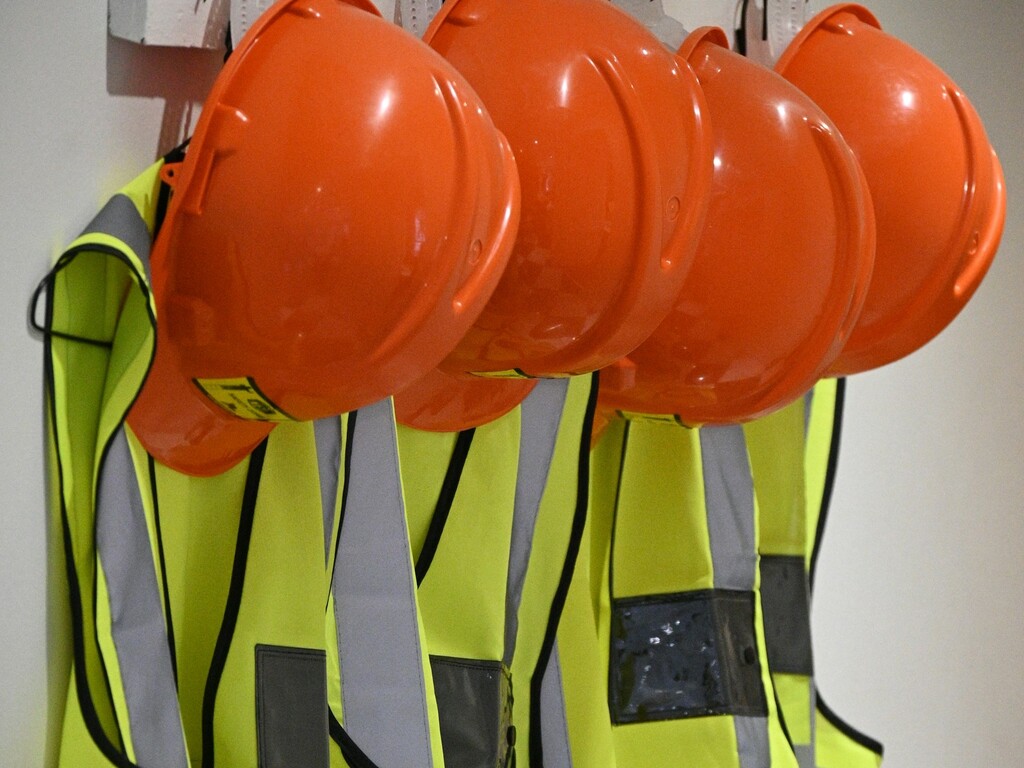
Unlike machinery, PPE usually doesn’t come with alarms or obvious warnings when it’s no longer safe. Failures are often subtle, such as hairline cracks in safety helmets, perished elastic on respiratory masks, scratched or fogged eye protection, or faded high-vis clothing.Individually, these issues may seem minor. Collectively, they can be the difference between a near miss and a life-changing injury.Regular inspections are the only reliable way to catch these failures before PPE is relied upon in a hazardous situation.PPE inspection is a legal requirement, not a ‘nice to have’
Under UK health and safety law, employers have a duty to ensure PPE is suitable for the task, maintained in good working order, replaced or repaired when defective, and used correctly by trained staff.Issuing PPE alone is not enough. If an incident occurs and PPE is found to be damaged or poorly maintained, enforcement action can follow.PPE inspection demonstrates that you are taking reasonable and proactive steps to protect workers.Inspections protect people – not paperwork
While compliance is important, the real value of PPE inspections is human. This means preventing injuries before they occur, reducing severity when incidents happen, protecting eyesight, hearing, skin and lungs, and giving workers confidence that their safety is taken seriously.Workers who trust their equipment are more focused, more confident, and more likely to follow safety procedures. PPE inspection plays a key role in building a positive safety culture.When should PPE be inspected?
Effective PPE inspection happens at multiple levels:- Pre-use checks – A quick visual and functional check before each use by the user. This is critical for spotting obvious damage.
- Formal inspections – Scheduled inspections carried out by a trained person who understands what defects to look for, when PPE should be withdrawn from use, and how to record findings correctly.
- After incidents or exposure – Any PPE involved in an impact, contamination, or unusual stress should be inspected immediately and often replaced.
Common mistakes that inspections prevent
PPE inspections routinely uncover issues such as:- Helmets kept in use beyond their service life
- Respirators with incorrect or expired filters
- Gloves being used for tasks they’re not designed for
- Eye protection that no longer meets visibility standards
- PPE stored incorrectly, leading to premature degradation