
How to Inspect Power Tools Before and After Use
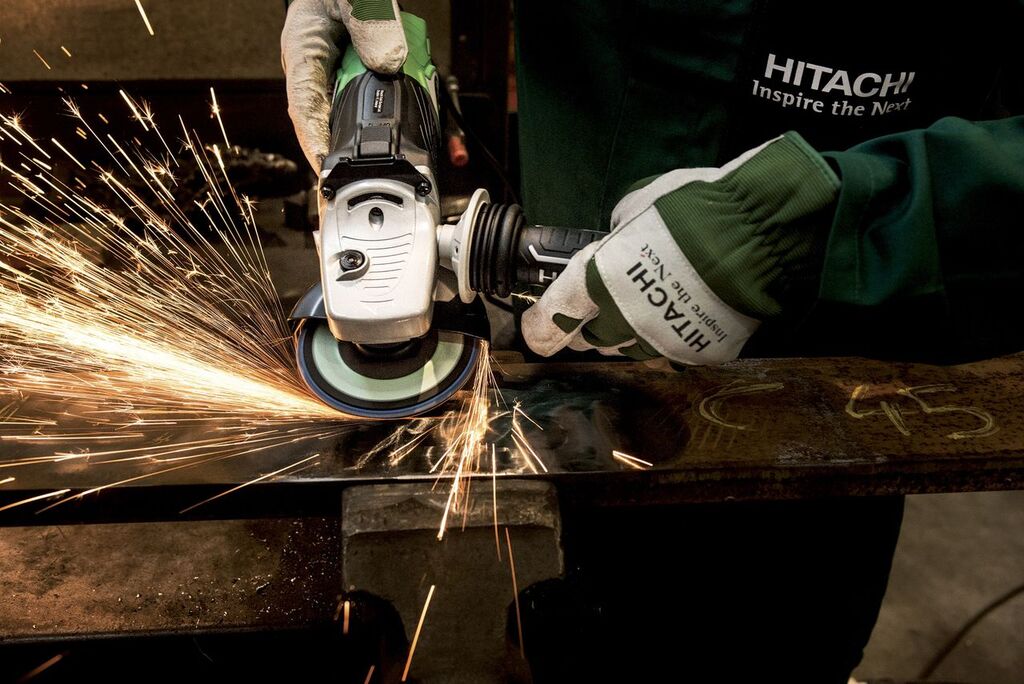
Power tools make many workplace tasks faster and more efficient, but damaged, poorly maintained or incorrectly used equipment can present a serious safety risk. A cracked casing, damaged cable, loose blade or faulty guard may seem like a minor issue, but it could result in electric shock, cuts, entanglement, flying debris or other serious injuries.That’s why power tools should be checked before use and inspected again after the task is complete. Regular checks help identify problems early, prevent defective equipment from remaining in service and keep tools in safe working condition. In this guide, we’ll look at how to inspect power tools before and after use and what you should do if you discover a problem. 

Why are power tool inspections important?

Power tools are frequently exposed to demanding working conditions. They may experience heavy or repeated use, dust, debris, vibration, impact damage, heat, and wear. Even equipment that appeared perfectly safe the previous day may have developed a fault. Regular inspections give operators an opportunity to identify visible damage or abnormal operation before it causes an accident. 

Before you start, make sure the tool is safe to inspect

Before carrying out a physical inspection, make sure the power tool cannot accidentally start. Depending on the equipment, this may mean disconnecting it from the mains supply, removing the battery, isolating the power supply, and following the manufacturer’s shutdown or isolation procedure. Never inspect, adjust, clean or change accessories on equipment that could unexpectedly start. 
  1. Inspect the overall condition of the tool

Start by looking at the general condition of the power tool. Check for cracks, loose components, missing parts, damaged handles, excessive wear, signs of overheating, and unusual contamination. If something looks damaged or different from normal, investigate it before using the equipment. 
  1. Check cables and plugs

For mains-powered equipment, inspect the power cable along its full length. Look for cuts, fraying, exposed wires, heat damage, loose connections, and damage where the cable enters the tool or plug. Check the plug for cracks, loose components or other visible damage. Never use electrical equipment with exposed wiring or a damaged power cable. 
  1. Check batteries and chargers

Cordless tools remove the trailing cable, but batteries and charging equipment still need to be checked. Look for cracked battery casings, swelling or deformation, damaged contacts, signs of overheating, leaks, and damage to the charger or charging cable. A damaged battery should not be used or charged. Follow the manufacturer’s instructions and your workplace procedures for isolating and disposing of defective batteries. 
  1. Inspect guards and safety devices

Many power tools have guards designed to prevent contact with moving components or protect users from debris. Make sure guards are present, secure, correctly positioned, free from damage, and moving freely where designed to move. Never remove or bypass a guard simply because it makes a task quicker or easier. Other safety devices, such as interlocks or emergency controls, should also be checked where appropriate. 
  1. Check blades, discs and accessories

Cutting, grinding and drilling accessories can become worn or damaged through normal use. Depending on the tool, check blades, drill bits, grinding discs, cutting discs, and sanding attachments. Look for cracks, chips, excessive wear, distortion or other visible damage.Accessories should also be suitable for the particular tool and task. Check that they are correctly fitted and compatible with the equipment, including any relevant speed or size requirements. 
  1. Check that components are secure

Loose components can become dangerous once a tool reaches operating speed. Check that relevant parts are correctly fitted and secure, including handles, guards, blades, discs, chucks, accessories and adjustment mechanisms. If you’ve changed an accessory, double-check it before reconnecting the power supply. 
  1. Check switches and controls

Inspect the tool’s switches and controls for obvious signs of damage. They should operate as intended without sticking or appearing loose. Never use a tool if safety controls have been bypassed, modified or deliberately prevented from operating correctly. 
  1. Check that the tool is suitable for the task

Inspection isn’t only about looking for physical damage. Before starting work, consider whether you’re using the correct equipment. Ask: Is this the right tool for the job? Is the accessory suitable for the material? Is the tool suitable for the working environment? Do I understand how to operate it? Using the wrong tool can create unnecessary risk even when the equipment itself is in perfect condition. 
  1. Carry out an operational check where appropriate

Once the visual inspection is complete, an operational check may be appropriate before starting the task. Be alert for unusual noises, excessive vibration, burning smells, smoke, sparking, overheating and irregular operation. If the tool doesn’t sound, feel or operate normally, stop using it. Don’t assume a problem will disappear once you start working. 

What should you check after using a power tool?

Inspection shouldn’t end when the task is finished. Post-use checks provide an opportunity to identify problems that may have developed during operation. After safely switching off and isolating the equipment, check for new damage, excessive wear, loose components, overheating, damaged cables, and contamination. This means problems can be reported immediately rather than being discovered by the next person who uses the equipment. 

Clean the tool correctly

Dust, swarf and other debris can accumulate on equipment and interfere with its operation. Clean tools according to the manufacturer’s instructions and workplace procedures. Avoid cleaning methods that could damage electrical components or force debris further inside the equipment. A clean tool is also much easier to inspect properly. 

Store power tools safely

Correct storage helps protect tools between uses. Power tools should be stored somewhere dry, secure, clean, protected from impact, and away from excessive heat or moisture. Cables should be stored carefully rather than tightly wrapped, crushed or placed where they can become damaged. Accessories should also be stored correctly to prevent deterioration. 

What should you do if you find a defect?

If you identify a fault, don’t continue using the tool. Depending on your workplace procedures, you should stop using the equipment and disconnect or isolate it safely. Clearly identify it as defective and report the problem to the appropriate person. Make sure to prevent other employees from using it and arrange inspection, repair or replacement. Never leave a defective tool where another worker could unknowingly pick it up and use it. 

Pre-use checks aren’t the same as formal inspections

A quick check before and after using a power tool doesn’t replace any formal inspection, testing, or maintenance required for that equipment. Pre-use checks are designed to identify obvious defects and changes in condition.Businesses should also have appropriate systems for the inspection and maintenance of work equipment based on factors such as manufacturer recommendations, type of equipment, frequency of use, working environment, level of risk, and applicable workplace procedures and regulations. These measures work together to keep equipment safe throughout its working life. 

Power tool inspections and PUWER

The Provision and Use of Work Equipment Regulations 1998 (PUWER) place duties on employers regarding work equipment used in the workplace.Equipment should be suitable for its intended use and maintained in an efficient state, in efficient working order, and in good repair. Where the safety of work equipment depends on installation conditions or deterioration could result in dangerous situations, inspections may also be required.Employers should therefore have appropriate systems for ensuring tools and machinery remain safe rather than waiting for something to go wrong. 

Common power tool inspection mistakes

Even experienced operators can become complacent. Common mistakes include assuming the previous user checked the tool, ignoring signs of wear, using damaged cables, removing guards, failing to report minor faults, or returning damaged equipment to storage. A tool switching on doesn’t necessarily mean it’s safe to use. 

Why power tool safety training matters

Employees need more than access to the right equipment. They need to understand how to inspect, operate and maintain it safely. Effective power tool training can help workers understand common hazards, inspections, safe operating procedures, and recognise defects. Training helps turn equipment inspections into a meaningful safety process rather than a box-ticking exercise. 

Power tool inspection

Inspecting power tools before and after use only takes a short amount of time, but it can play an important role in preventing workplace accidents. Before use, check the tool’s condition, power supply, guards, controls and accessories. After use, look for any damage that may have occurred during the task, clean the equipment, and store it safely. Most importantly, if something doesn’t look, sound or feel right, don’t use it.Apple Group provides practical workplace safety training designed to help employees understand the risks associated with tools and machinery and develop the skills required to use equipment safely and confidently.